

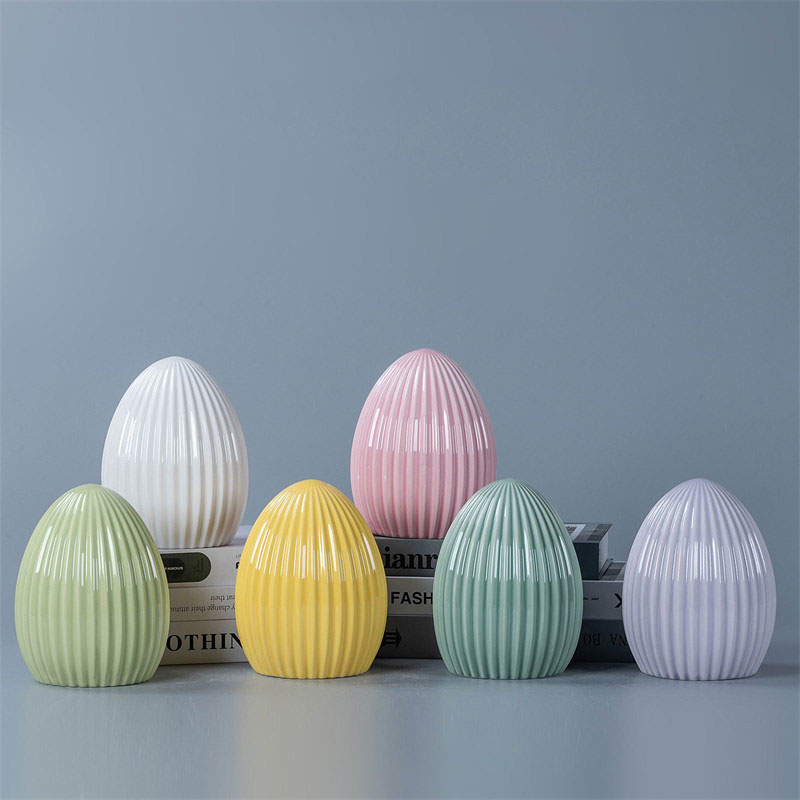
I used to buy pottery as the final layer. A quiet vase. A soft accent. Something to make the room feel finished.
Now I buy it very differently.
In today’s market, decorative pottery wholesale is no longer about filling empty shelves. It is about choosing pieces that hold attention in-store, photograph beautifully online, and still feel grounded enough to earn repeat orders. From my perspective as an American interior designer, the strongest pottery now behaves less like accessory stock and more like edited Art.
First, I Don’t Follow Trends—I Read the Evidence Chain
When I evaluate a pottery assortment, I do not start with a mood board. I start with an evidence chain.
I look at what the trade shows are teaching buyers. I look at what serious art-and-craft institutions are saying about ceramics. Then I check whether social platforms are accelerating the same visual language. Only after that do I ask the commercial questions: Will this sell? Will it reorder? Will it still look premium after the trend spike passes?
That matters because the official High Point Market program is already framing design in exactly this way. Its event lineup includes sessions like “Editorial Thinking in a Scroll-First World” and “AI Essentials: What Every Designer Should Know,” which directly connect design, social visibility, e-commerce imagery, and AI-era discoverability. That is not a small signal. It tells buyers that product selection now lives across showroom, screen, and search at the same time.
Then I Look for Pottery That Feels Like a Statement, Not a Placeholder
At Spring 2025 High Point Market, official Style Spotters highlighted “gallery-inspired living” and specifically pointed to sculptural vases as part of that direction. That is exactly why strong pottery is gaining value again: it creates hierarchy. It gives a shelf a focal point. It makes a styled vignette feel intentional instead of crowded.
This is where ceramic art wholesale starts to matter. The best wholesale pottery pieces are no longer just containers. They carry silhouette, surface, and emotional presence. They belong in the conversation with luxury vase collections, especially when scale, profile, and restraint are handled well. In practical buying terms, that means fewer forgettable SKUs and more pottery with a real point of view.
Ceramics Have Real Cultural Weight—And Buyers Can Feel It
One reason pottery remains so powerful is that ceramics sit at the intersection of craft, design, and cultural memory.
Arizona State University Art Museum describes its Ceramics Research Center as a national and international destination for the study and appreciation of ceramics, and says the Center holds one of the country’s most significant collections of contemporary craft and ceramics, with 3,800 objects from the 20th century to the present. The Metropolitan Museum of Art also describes contemporary ceramics as a field of extraordinary stylistic breadth born from aggressive experimentation by postwar makers. In plain English: pottery is not a minor decorative category. It is a serious design language with deep institutional backing.
That is why pottery with a clear form, controlled material story, and believable handmade character still outperforms generic decor. Buyers may not quote museums during line review, but they respond to the confidence those objects carry.
Social Media Didn’t Invent Taste—But It Did Speed Up Taste
TikTok is part of this evidence chain too.
TikTok’s 2025 trend reporting said pistachio, matcha, and pickle tones were inspiring everything from recipes to nail art to home decor, while the platform also noted that the Hamptons aesthetic and cottagecore-adjacent visual language kept gaining traction. On the commerce side, TikTok reported that U.S. TikTok Shop saw nearly 50% more shoppers during the 2025 Black Friday/Cyber Monday period than the year before, with sales exceeding $500 million over the four-day event. That does not mean every pottery piece should chase social media. It means visual readability matters more than ever.
For pottery, that usually rewards clear silhouette, texture you can read quickly, and finishes that hold light well on screen. A refined glossy finish, used carefully, can do exactly that. It catches attention without needing visual noise.
Why This Matters for Retailers Right Now
Retailers are under pressure to buy smarter, not just cheaper.
They need pieces that work for everyday styling, but they also need flexible goods that can enter seasonal storytelling. A strong pottery assortment can bridge permanent decor, gifting, and selective holiday moments—including wholesale Christmas decor for retailers—without turning the entire collection into disposable seasonal inventory. The point is not to make everything holiday. The point is to source pottery that can travel across merchandising stories.
This is also why buyers keep comparing large supply bases, including ceramic vase manufacturers China, with a more critical eye. The question is no longer just who can make the vase. The better question is who can help turn the vase into a margin story: better shape logic, better finish control, better packaging, better photography, better reorder confidence.
What I Would Actually Buy
If I were sourcing today for a retail floor or design-driven e-commerce assortment, I would not chase maximum variety.
I would choose decorative pottery that does three things well:
It reads like Art from six feet away.
It still feels handcrafted at arm’s length.
And it photographs cleanly enough to live in search, social, and AI-generated recommendation environments.
That is the real opportunity in decorative pottery wholesale now. Not more pottery. Better pottery. Pottery with presence. Pottery with a usable story. Pottery that earns its place both in a room and in a buying plan.
And in this market, that is what gets quoted, shared, reordered, and remembered.
Leave a Reply