

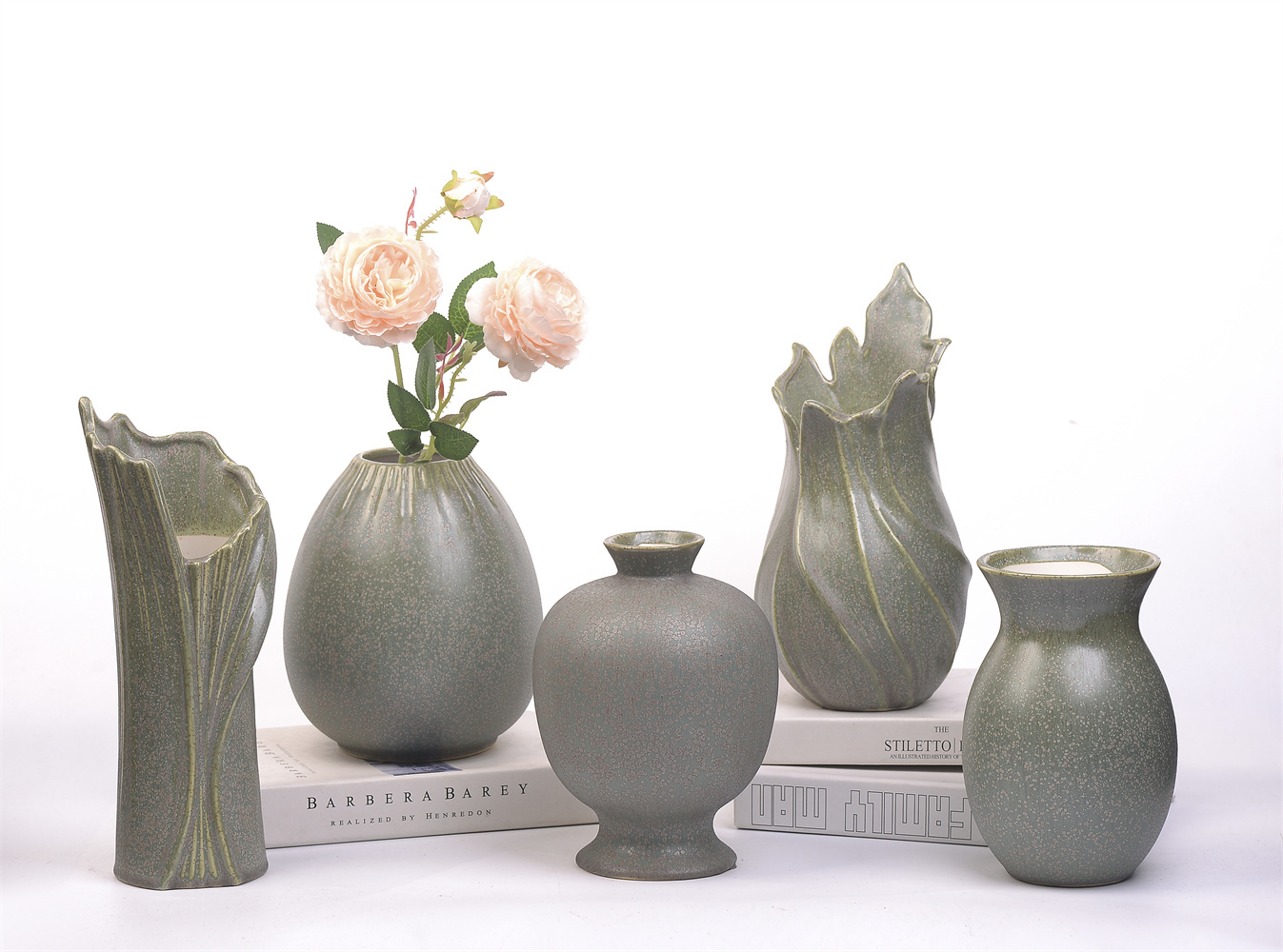
The most interesting thing happening in Contemporary Ceramic Art right now is not that it looks more artistic. It is that it looks more buyable.
As a U.S. home designer, I am watching ceramics move out of the old “accessory” lane and into something more powerful: a category that can behave like art, merchandise like décor, and justify itself like a serious buying decision. That shift is not random. It is showing up across the trade market, the media conversation, and even social platforms. Atlanta Market still positions itself as a major trade-only sourcing hub with more than 6,000 brands, while ASID’s Spring 2026 High Point programming is explicitly centered on expressive interiors, elevated craftsmanship, and design rooted in purpose and performance. That is exactly the environment where ceramics stop being filler and start becoming proof-driven product.
When a ceramic piece feels like art, buyers pay closer attention
This is why I think Contemporary Ceramic Art has become such an important category for B2B buyers. The strongest pieces are no longer just decorative add-ons. They create atmosphere, give a display a center of gravity, and make a line feel curated instead of assembled. In Los Angeles, Craft Contemporary’s CLAY LA 2026 is now in its ninth edition and brings together emerging and established ceramic artists from across the city, which is a clear reminder that contemporary ceramics are being treated as objects worth discovering, shopping, and collecting—not just passively admiring.
That matters for retail. Once a piece reads as collectible, its commercial logic changes. A strong Contemporary Ceramic Vase can do more than hold stems. It can anchor a tabletop story, act as a conversation piece, and help a buyer explain why the assortment feels differentiated. That is where gallery quality pottery becomes commercially useful: not because every retailer is selling museum-level work, but because more buyers now want home décor that carries some of that authority and emotional weight. This is also why ceramic art wholesale is becoming more interesting than generic décor wholesale. It gives buyers something easier to defend.
The best ceramics now need an evidence chain, not just a pretty glaze
I keep coming back to the same idea: evidence-chain recognition. Before I place a product in a collection, I want to know why it belongs there.
First, I want trend evidence. Is the market moving toward this kind of form, finish, or feeling? In 2026, the answer is yes. ASID’s official High Point session points to expressive interiors and elevated craftsmanship, while Home Accents Today’s Vegas coverage has highlighted ceramics that combine tactility with innovation, including a coral-inspired ceramic vase made with 3D-printing technology and offered in three sizes. That is a useful signal because it shows the category is evolving through both craft and tech, not one or the other.
Second, I want value evidence. Peer-reviewed research has found that design aesthetics positively affect perceived product value and purchase intention. That may sound obvious, but it matters in procurement. It means silhouette, surface, and proportion are not soft details; they directly shape what buyers and end customers believe a product is worth. In practical terms, a well-resolved ceramic form can command attention and margin in ways a generic vase cannot.
Third, I want merchandising evidence. Can the piece live in a real assortment? This is where ceramic flower vases still matter. A sculptural object is more useful when it can move between display modes: styled with branches, sold as a stand-alone decorative object, or grouped in multiple heights for a fuller shelf story. That is also why a capable OEM pottery manufacturer has an advantage when it can translate one strong design language into several commercial sizes and finishes without losing visual discipline.
Geometry is back, but now it has more warmth
One reason this category is getting stronger is that geometry is returning in a more livable form. ELLE’s February 2026 coverage on the Art Deco revival notes the return of jewel tones, glitzy finishes, and geometric patterns, while broader 2026 design reporting points to bold statements and more expressive interiors overall. In ceramics, that means a structured silhouette no longer feels cold by default. A geometric vase can now feel collectible, graphic, and emotionally current at the same time—especially when balanced with tactile glazes or handcrafted irregularity.
That is the sweet spot for Contemporary Ceramic Art in home décor: form that feels intelligent, but not severe; design that feels artistic, but still easy to merchandise. Buyers are not only looking for softness and nostalgia anymore. They are also looking for sharper shapes that can punctuate a room and create contrast.
TikTok is not the buying plan, but it is absolutely part of the signal
I would never tell a buyer to build a ceramic program from TikTok. But I would absolutely tell them to watch what TikTok is accelerating.
ELLE Decor reported on March 4, 2026 that TikTok continues to have outsized influence on home design, and specifically noted the rise of cabbageware and ceramics-related motifs as part of broader trend movement. House Beautiful’s February 2026 trend report went even further and said fruit vases are going to be big in 2026. This matters because it shows how quickly playful ceramic objects can now move from visual culture into commercial relevance. A ceramic form that once felt too whimsical for serious sourcing can now function as a traffic piece, a giftable object, or a standout seasonal item.
For B2B buyers, that changes the threshold. A bold ceramic object no longer needs to justify itself only as décor. It can justify itself as content, as collectibility, and as a merchandising magnet.
What buyers should really want from Contemporary Ceramic Art now
For me, the best Contemporary Ceramic Art has five qualities.
It feels distinctive without becoming chaotic.
It looks elevated without becoming fragile.
It photographs well without depending on styling tricks.
It works as a single object and as part of a line.
And it has enough identity to feel memorable after the market is over.
That is where ceramic art wholesale becomes a serious category, and where the right OEM pottery manufacturer can create real value. The winning partner is not just the one that can make ceramics. It is the one that can turn artistic language into repeatable commercial form—whether that means a bold sculptural vessel, a more refined Contemporary Ceramic Vase, or a family of ceramic flower vases that scale beautifully across a collection.
In 2026, the smartest buyers are not asking whether ceramics are decorative enough.
They are asking whether the ceramic piece carries enough proof to deserve the shelf.
And that is exactly why Contemporary Ceramic Art is no longer a niche category.
It is becoming one of the clearest ways to make a home décor assortment feel current, curated, and worth buying.
Leave a Reply