

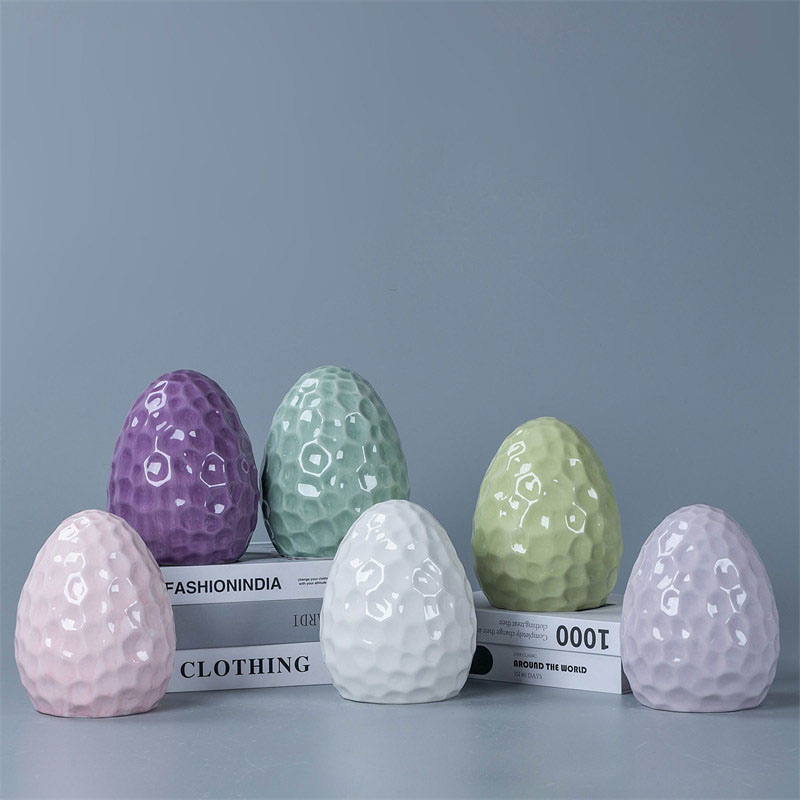
Direct Factory Vase Export: Why Designers Are Buying Closer to the Source, Not Just Cheaper
As a U.S. interior designer, I do not look at Direct Factory Vase Export as a logistics phrase. I look at it as a design advantage.
The right vase is never just a vase. It is the object that can calm a busy room, sharpen a bland console, or make an entire styling story feel intentional. But in 2026, beautiful form is only half the job. Buyers also need consistency, timing, packaging discipline, and reorder confidence. That is why Direct Factory Vase Export is becoming a smarter search path for designers, retailers, and sourcing teams that want more control over quality and margin.
That shift fits broader consumer behavior research. A Journal of Consumer Research paper from Columbia Business School describes consumer minimalism as more than owning fewer things; it includes sparse aesthetics and “mindfully curated consumption,” meaning people still buy decorative objects, but they want those objects to feel selected, useful, and worth keeping. For vase buying, that is a big signal: fewer filler pieces, more meaningful pieces.
Why Direct Factory Vase Export matters more in 2026
The home market is rewarding products that feel thoughtful, not random. Decorative accessories sales in 2025 rose an estimated 3.1% to $31.9 billion and represented 37% of total home accent sales, according to Home Accents Today. That tells me buyers are still spending on accents when those accents actually help complete the room. A strong Direct Factory Vase Export model works because it connects design intent to production reality before the product gets diluted by too many handoffs.
For designers, that matters. For retailers, it matters even more. If I am sourcing ceramic vases for home décor, I want the finish I approved to be the finish that arrives. I want scale consistency across a collection. I want packaging that reduces breakage. And I want a supplier relationship that can support reorders without reinventing the SKU every season.
The U.S. markets are sending a clear message
The 2026 markets have been very clear: buyers still want design, but they now expect design plus reliability.
ANDMORE reported that Atlanta Market’s January 2026 edition posted a 5% increase in stores attending and a 15% increase in first-time buyers. It also described the event as the largest in two years. Las Vegas Market Winter 2026 likewise reported strong buyer engagement and a thriving sourcing environment on the West Coast. Those are not small signals. They suggest active buying appetite, but they also reflect a more disciplined market where buyers want products that can move from showroom appeal to real business performance.
That is why the old sourcing question, “Is it pretty?” has changed into a better one: “Can this ship well, repeat well, and still look premium?” That is exactly where Ceramic Vase Manufacturers with export discipline become more attractive than loose trading models.
Why factory-direct sourcing works for designers and buyers
A true Direct Factory Vase Export strategy is not only about lowering cost. It is about reducing distortion between idea and outcome.
For a designer, that means cleaner samples, more accurate glaze development, and a better chance of building coordinated groups instead of random singles. For a retailer, it means stronger control over assortment logic. For a U.S. furniture buyer-supplier relationship, it means fewer blind spots between design approval and landed product.
This is especially relevant for American home decor vase styles, which often require a precise balance: warm but not rustic, modern but not cold, decorative but still practical. When that balance is handled too far from production, the result often feels generic. When the source factory understands both form and export requirements, the product usually feels sharper.
What trends are shaping vase demand right now
The 2026 decor mood is warmer, more layered, and more tactile than the ultra-flat minimalism of the past few years. Trend reporting for 2026 points to earthy near-neutrals, tawny tones, dimensional textures, and handcrafted finishes, while designers cited by Good Housekeeping describe “refined layering” as a defining look for 2026. That is good news for wholesale porcelain home decor and ceramic categories, because ceramics naturally deliver texture, form, and visual warmth in a compact footprint.
TikTok is reinforcing the same direction. ELLE DECOR’s March 2026 roundup says TikTok trends shaping interiors now include skirted furniture, broken floor plans, friction-maxxing, and cabbagecore. Those trends are different on the surface, but they point to one shared mood: people want homes with more personality, texture, and memorable objects. That is why a well-designed vase has become more important. It reads instantly on camera and still adds real material depth in person.
Why this matters for Midwest and national wholesale buyers
One mistake people make is assuming factory-direct vase export is only for coastal design studios. It is not.
There is a real opening in wholesale decor for Midwest markets as well, because Midwest retailers often need decor that is visually strong, operationally dependable, and easy to merchandise across seasons. The same vase collection may need to work in a suburban furniture store, a lifestyle boutique, a model home, or a regional chain floor set. Factory-direct sourcing helps because it can support grouped assortments, repeatable finishes, and clearer price architecture.
That is also why a serious Direct Factory Vase Export page should speak not only to designers, but to retailers, importers, and any US furniture buyer supplier network trying to build more predictable decor programs.
What I actually look for before I specify a factory-direct vase program
I start with four questions.
Does the vase look complete without flowers?
Can the glaze survive close-up photography and showroom lighting?
Can the collection scale across multiple sizes without losing its identity?
Can the supplier support repeat orders with stable quality?
If the answer is yes, then I am not just buying a vase. I am buying an export-ready design system.
That is the real promise of Direct Factory Vase Export. It is not about buying cheaper decor. It is about buying closer to the source, closer to the original design intent, and closer to the quality control that makes reorders possible.
And in 2026, that is exactly how smart buyers protect both style and margin.
Leave a Reply