

Home Decor Procurement Is Design—Just With Deadlines
The moment I stopped “shopping” and started procuring
If you’ve ever fallen in love with a piece at market—only to watch it arrive six months later as a slightly different cousin—you already know the truth: home decor procurement isn’t a shopping trip. It’s the part of design where your taste meets physics, production, pricing, and the calendar.
And 2026 is making that collision louder.
Why? Because the supply side is moving again. The Institute for Supply Management reported U.S. manufacturing expanding in January 2026, with new orders growing, prices increasing, and supplier deliveries slowing—the kind of mix that turns “cute vase idea” into “why is the MOQ suddenly my problem?”
So here’s the mindset shift I’ve been giving my B2B clients (retail, hospitality, and lifestyle brands): procurement is the new creative direction—you just express it through spec packs, vendor decisions, and delivery windows.
What the winter shows are really telling buyers (and why it matters)
This winter’s big message across Europe and the U.S. wasn’t “pick a trend.” It was “pick a point of view you can actually deliver.”
-
Maison&Objet (Jan 2026) framed the edition around PAST REVEALS FUTURE, highlighting trend directions like Metamorphosis, Mutation, Revisited Baroque, and Neo Folklore—a not-so-subtle push toward craft, story, and forms that feel collected rather than churned.
-
Ambiente 2026 (Frankfurt, Feb 6–10, 2026) put forward three style worlds—brave, light, solid—which, translated into buying language, reads like: bold statements (brave), calm clarity (light), and grounded longevity (solid).
-
Las Vegas Market (Winter 2026, Jan 26–30) leaned into cross-category sourcing, even overlapping with The International Surface Event (TISE)—a reminder that decor decisions are increasingly tied to finishes, materials, and project delivery (especially for hospitality).
This is the throughline I care about as a designer: the winning assortments are “story-forward,” but operationally sober. They look expressive on shelf—yet they’re repeatable, QC-able, and margin-protectable.
A vase program beats a vase hunt
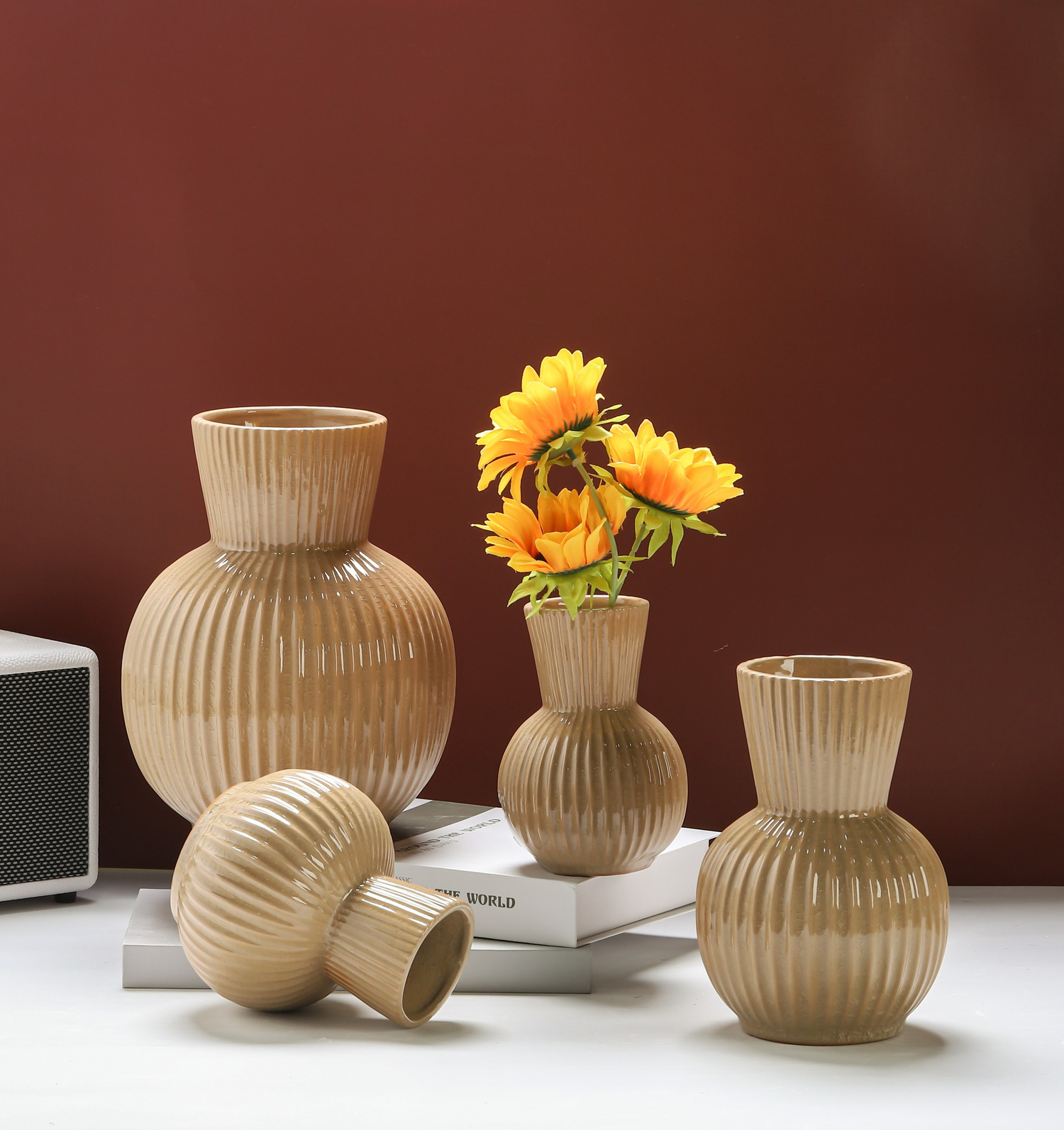
If you’re sourcing artistic vases, don’t procure single pieces—procure a system. In practice, that means you build a “vase program” with three layers:
-
Hero silhouettes (the attention grabbers)
Think sculptural forms, curves, or baroque-adjacent details that echo the “Revisited Baroque” energy without becoming fragile nightmares. -
Core classics (the reorders)
This is where blue and white porcelain wholesale shines—because it functions like a visual neutral in many U.S. assortments: coastal, traditional, grandmillennial, even modern when the form is clean. -
Seasonal capsules (the marketing fuel)
This is your Cherry Blossom Home Accent moment: a short-run motif or glaze story that gives merchants a reason to refresh endcaps, windows, and hospitality vignettes without rebuilding the entire buy.
When procurement is done this way, you stop debating “which vase is cutest” and start answering the questions that actually decide sell-through: What’s the price ladder? What’s the pack plan? What’s the reorder path?
Hospitality buyers: procurement is risk management in a blazer
For hotel teams, “pretty” doesn’t win—predictable wins.
If you’re sourcing hotel decor vases wholesale, your procurement brief should start with the realities of property work:
-
Breakage tolerance (drop tests in spirit, if not in lab)
-
Finish repeatability across batches
-
Cleaning resistance (chemicals + housekeeping speed)
-
Phased delivery (because projects don’t land in one clean PO)
And yes, macro uncertainty leaks into micro decisions. Reuters noted manufacturers were still complaining about uncertainty tied to trade policy, which can translate into timing and cost volatility downstream.
So the procurement move is simple: choose fewer SKUs, deeper. Then build alternates (approved substitute finishes / backup factories) before you need them.
Handmade isn’t a finish—it’s a capacity plan
Every brand says they want handmade. Few brands budget like they do.
If you’re doing handmade vase bulk orders, treat “handmade” as a production constraint, not a marketing adjective:
-
Ask what steps are truly hand-done (throwing, carving, glazing, painting)
-
Map which steps create bottlenecks (kiln space, glazing line, skilled painters)
-
Lock golden sample tolerances (what variation is acceptable, what is a defect)
-
Plan order timing around real factory rhythm (not your campaign calendar)
Also: sourcing patterns are shifting. Industry reporting tied to Census trade data shows tariffs and sourcing strategies continue to reshape where U.S. companies buy from (often moving away from a single-country dependence).
That doesn’t mean “panic.” It means: multi-source intelligently, and document specs like your margin depends on it—because it does.
The 6-sentence procurement brief I wish every buyer used
When I’m helping a B2B team tighten procurement, I ask them to write this—short, painful, effective:
-
Our customer is ___ and buys for ___ (room / project / lifestyle).
-
This assortment must communicate ___ (mood/story) in 3 seconds.
-
The price ladder is ___ / ___ / ___ landed.
-
The reorder plan is ___ (fast movers) and ___ (seasonal).
-
Non-negotiables: ___ (QC, packaging, finish tolerance, compliance).
-
Delivery reality: ___ (date range + phased shipping plan).
If your vendor can’t respond cleanly to that, they’re not a supplier—they’re a gamble.
Where Teruierdecor fits (when you want speed and taste)
The best procurement partners don’t just “quote.” They translate.
If you’re building a vase program—mixing artistic vases, blue and white porcelain wholesale, a Cherry Blossom Home Accent capsule, and hospitality-ready SKUs—Teruierdecor’s advantage is acting like a design-to-delivery bridge: turning trend direction into a retail-ready spec path, so your team spends less time chasing samples and more time building assortments that actually land on time.
Because in 2026, the most profitable aesthetic is the one you can reorder.
Leave a Reply